
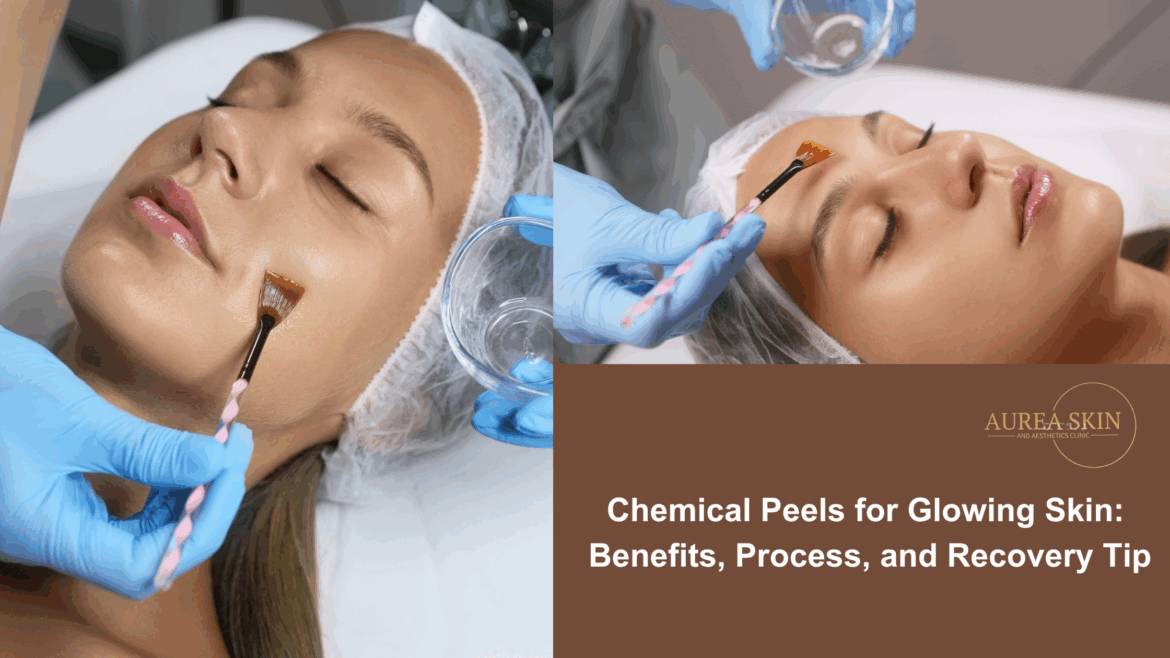
If your skin has been looking tired, uneven, or dull lately, a chemical peel might be the refresh it’s craving. This dermatologist‑recommended treatment gently exfoliates the outermost layer of your skin, revealing a smoother, brighter, and more radiant complexion underneath. Whether you’re targeting acne scars, pigmentation, or early signs of aging, chemical peels can help restore your skin’s youthful glow from within.
Let’s walk through what chemical peels do, how the process works, and what recovery looks like — so you can decide if this glow‑boosting treatment is right for you.
What Is a Chemical Peel?
A chemical peel is a professional skincare procedure where a mild, controlled solution of exfoliating acids (like glycolic, salicylic, lactic, or trichloroacetic acid) is applied to your skin to remove dead and damaged cells. As this top layer peels away, it encourages cell turnover, smooths rough texture, and increases collagen — leaving your skin fresh, clear, and even‑toned.
Here’s a quick look at the main types of peels:
- Superficial Peels (Light): Perfect for that instant glow with little to no downtime.
- Medium Peels: Targets pigmentation, acne scars, or early wrinkles for a refreshed surface.
- Deep Peels: Best for severe sun damage, deep wrinkles, or scars. These give dramatic results but require longer downtime and close dermatologist supervision.
Benefits of Chemical Peels
A chemical peel isn’t just about exfoliation — it’s a full skin reset. Regular sessions can leave your skin visibly smoother, firmer, and more radiant. Some standout benefits include:
- Instant Brightness: Removes dull, dead cells to unveil renewed, glowing skin.
- Evens Out Skin Tone: Reduces dark spots, acne marks, and sun pigmentation.
- Manages Acne: Improves clogged pores and reduces oil buildup.
- Softens Fine Lines: Boosts collagen to smooth early signs of aging.
- Improves Texture: Refines rough patches and dry areas for a silky finish.
- Enhances Product Absorption: Your skincare absorbs better after a peel.
The Process: What to Expect During a Peel
Your dermatologist will begin with a gentle cleanse to remove any oil, dirt, and makeup. Then, the peel solution is carefully applied to the skin. You may feel a light tingling or warmth for a few minutes — that’s completely normal and signals the acids are doing their job.
After the designated time, the peel will be neutralized or washed off. Depending on the intensity, you might experience mild redness, flaking, or dryness over the next few days. Light peels often have zero downtime, while stronger options like TCA or phenol peels can take a week or two to fully heal.
Recovery Tips for a Healthy, Glowing Finish
Aftercare makes all the difference in how your skin heals. To get the best results, dermatologists recommend the following tips:
- Keep it cool and gentle: Cleanse with lukewarm or cool water — avoid hot water and scrubbing.
- Hydrate often: Use a rich, soothing moisturizer to protect the skin barrier.
- SPF every morning: Sunscreen (SPF 30 or higher) is your best friend post‑peel.
- No picking or peeling: Let your skin shed naturally — picking can cause scarring or old marks to darken.
- Skip activities for a week: Avoid retinoids, scrubs, and exfoliating acids until your skin fully recovers.
- Follow your dermatologist’s advice: Stick to the recommended routine — your results will thank you.
Who Can Benefit From a Chemical Peel?
Chemical peels are ideal for anyone experiencing:
- Acne and breakouts
- Uneven skin tone or hyperpigmentation
- Fine lines and wrinkles
- Rough, patchy, or dull texture
- Mild scars or tanning damage
However, people with extremely sensitive skin, eczema, active infections, or who are pregnant should consult their dermatologist for safer alternatives like a “glow peel” or enzyme‑based exfoliation.
Conclusion
A chemical peel is one of the most effective, dermatologist‑approved ways to bring dull, tired skin back to life. It’s quick, customizable, and results‑driven — giving you that glass‑skin glow with each session.
With proper care, hydration, and sun protection, chemical peels can become your go‑to treatment for radiant, even‑toned, youthful‑looking skin year‑round. So if you’ve been craving a real glow‑up, now’s the perfect time to experience this transformative skin rejuvenation — your skin will thank you for it!
FAQS
1. How soon will I see results after a chemical peel?
You’ll start to notice smoother and brighter skin within a few days after a light peel. Medium and deep peels typically show visible transformation in about a week.
2. Are chemical peels safe for all skin types?
Yes — when done under professional care. Dermatologists tailor the formula strength to match your specific skin type and concerns, even for sensitive or darker tones.
3. How often should I get chemical peels?
Most dermatologists suggest a series of 3–6 sessions spaced four to six weeks apart. The frequency depends on your goals and the type of peel used.
4. Can I wear makeup after a peel?
It’s best to avoid makeup for 24–48 hours after the treatment or until peeling stops. Once the skin calms, you can use gentle, non‑comedogenic makeup products.
5. How can I maintain my glow after a peel?
Stick to hydrating, barrier‑supportive skincare with cleansers, moisturizers, and daily SPF. Avoid harsh activities for a week and keep your hydration levels up — inside and out!